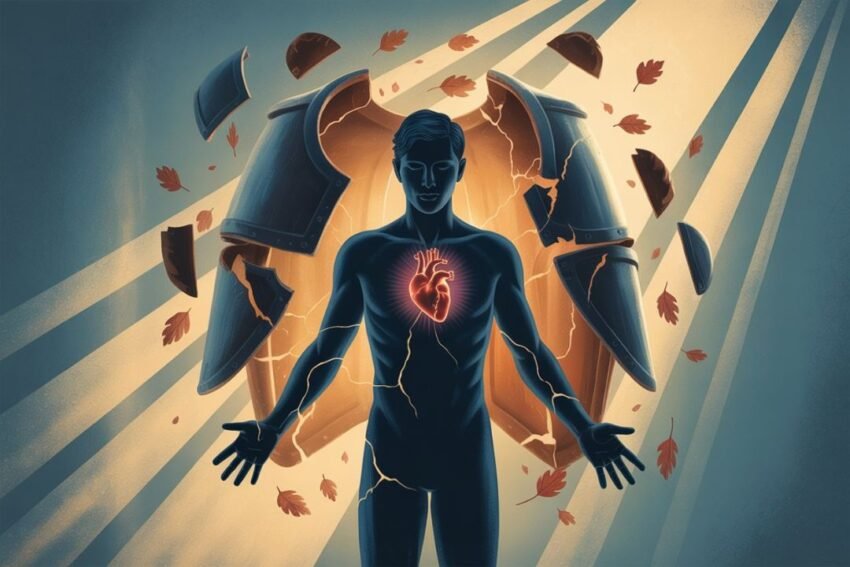
Definition and types of vulnerability
What is Vulnerability?
Vulnerability is a word that is commonly used to mean “weakness” or “a state of danger,” but it does not mean only that. It is a natural state present in every aspect of human life. Vulnerability manifests itself in various forms in a person’s physical, mental, emotional, and social life.
For example, a child is more susceptible to the effects of illness, or a person feels vulnerable due to social pressure or financial difficulties. Thus, vulnerability is not just a loss or weakness, but also a conscious and psychological state that connects a person to their environment and their inner feelings.
The importance of vulnerability
Understanding Vulnerability is very important in human life because:
- It makes us aware of our weaknesses and risks.
- It builds empathy and stronger relationships with others.
- It builds the ability to cope with risks and make positive changes in our lives.
A person who recognizes their vulnerability can be more stable and effective in their emotions, decisions, and relationships.
Physical Vulnerability
Physical Vulnerability means that the human body may be at risk due to disease, accidents, or the effects of aging.
- Children and the elderly are more physically vulnerable because their immune systems are weaker.
- Certain diseases, such as diabetes, heart attacks or other physical problems, increase vulnerability.
- Vulnerability also occurs in the event of accidents or physical harm.
A healthy lifestyle, balanced diet, exercise and protective measures are essential to reduce physical vulnerability.
Psychological Vulnerability
Psychological Vulnerability refers to a person’s emotional and mental weakness. It can arise in various situations, such as:
- Mental pressure or stress
- Fear or anxiety
- Emotional loss or trauma
When a person recognizes and accepts their psychological vulnerability, they can not only better understand their inner feelings but also find effective solutions to problems.
Social Vulnerability
Social Vulnerability is the weakness that arises from the social and economic systems. It can affect both individuals and groups. For example:
- Poverty or financial hardship
- Lack of education or training
- Gender or social discrimination
Providing social protection, education, and equal opportunities are very important to reduce social vulnerability.
Vulnerability and human relationships
Vulnerability also plays an important role in human relationships. When people share their weaknesses, fears, or feelings with others, it builds trust and strengthens relationships. In fact, accepting and overcoming one’s vulnerability is also a strength, as it helps a person build better relationships with themselves and others.
Different theories of vulnerability

Psychologists and sociologists have described several aspects of vulnerability:
- Psychological theory: sees vulnerability as a person’s emotional sensitivity and internal weakness.
- Social theory: describes vulnerability as a weakness resulting from inequalities in social and economic structures.
- Environmental theory: views vulnerability as human weakness related to environmental and natural hazards, such as earthquakes, floods, or other natural disasters.
Vulnerability in human life
Vulnerability in children and the elderly
Vulnerability varies in nature at different stages of human life. It is most evident in children and the elderly.
Vulnerability in children:
Children are vulnerable both physically and psychologically. Their immune systems are weaker than those of adults, which makes them more susceptible to diseases. In addition, children are also mentally and emotionally sensitive. Parental love, education, and social environment can increase or decrease their vulnerability.
Vulnerability in the elderly:
With aging, physical strength weakens, bone and muscle strength decreases, and the immune system also weakens. This is why the elderly are often at risk of diseases and accidents. In addition, the social vulnerability of the elderly also increases, because sometimes they are cut off from social contacts and suffer from loneliness.
Illness and health problems
Health and illness are important aspects of vulnerability in human life. Any illness affects not only the physical but also the mental and emotional aspects.
- Chronic diseases: Such as diabetes, heart disease or cancer, make a person vulnerable for a long time.
- Lack of treatment and care: If a person does not have access to proper medical facilities, then vulnerability increases.
- Psychological effects: During the illness, a person has to face fear, worry, and anxiety, which also increases psychological vulnerability.
Education and social impact
Lack of education and knowledge can also make a person vulnerable. Lack of education weakens a person in economic, social, and personal life.
- Lack of education limits employment opportunities, which creates financial vulnerability.
- Lack of social understanding can put a person at risk of fraud or poor decisions.
- Educational deprivation also affects self-confidence and peace of mind, which increases psychological vulnerability.
Vulnerability in human relationships
Vulnerability is a natural reality in human relationships. Everyone experiences emotional or psychological vulnerability at some point.
Vulnerability and technical aspects (Cybersecurity)
What is Technical Vulnerability?
A technical vulnerability is a weakness that exists in computer systems, websites, mobile applications, or any digital infrastructure, and that can lead to the risk of cyberattacks or data leaks.
Vulnerability is important in the technology sector because every company, government, or individual that uses a digital platform can be vulnerable to some degree.
Types of Technical Vulnerabilities
- Software Vulnerability:
Bugs or flaws in software that allow hackers to attack. For example, a website’s database may have an SQL Injection Vulnerability. - Network Vulnerability:
Poor network security or unsecured Wi-Fi can give hackers access to systems. - Hardware Vulnerability:
Some hardware devices have flaws, such as older CPUs that are vulnerable to Meltdown or Spectre attacks. - Human Factor Vulnerability:
The most common technical vulnerability is humans themselves. Clicking on phishing emails, using weak passwords, or bypassing security protocols makes it easy for hackers.
The Importance of Technical Vulnerability in the USA
The United States is known as the technology hub of the world, and its government, large companies, and financial institutions are exposed to major vulnerabilities.
Examples
- SolarWinds Hack (2020):
One of the largest cyberattacks in the US. Hackers exploited a vulnerability in SolarWinds software to steal data from several US government agencies. - Colonial Pipeline Ransomware Attack (2021):
A ransomware attack on a major US energy network shut down pipeline services. The vulnerability was attributed to both human and technical deficiencies. - Healthcare Sector:
US hospitals and healthcare institutions are vulnerable because they store sensitive data, and often operate with weak security protocols.
Impact of Technical Vulnerability
- Financial losses
- Data leaks and privacy breaches
- Loss of business confidence
- Threats to national security
Human and technical vulnerability linked
In the USA, technical vulnerabilities are often linked to human weaknesses. For example, a weak password from one employee can compromise the entire network.
Ways to Reduce Technical Vulnerability
- Regular Software Updates:
Keeping software up to date. - Strong Passwords and Multi-factor Authentication (MFA):
Password protection and an extra layer of security. - Employee Training:
Training your employees to protect themselves from phishing and social engineering. - Network Monitoring:
The use of continuous monitoring and anomaly detection systems on the network. - Penetration Testing:
The use of ethical hacking to find vulnerabilities in advance.
Frequently Asked Questions (FAQs) about Vulnerability
What is Vulnerability?
Vulnerability means a weakness or a point where a system, person, or organization is at high risk of harm. This weakness can be physical, psychological, or even technological.
What are the types of vulnerability?
Common types of vulnerability include:
- Cyber Vulnerability: Weaknesses in computer systems and networks.
- Physical Vulnerability: The ability of the human body or nature to withstand threats.
- Psychological Vulnerability: Mental stress or psychological vulnerability.
- Social Vulnerability: Vulnerability arising from social or economic conditions.
What are the causes of vulnerability?
What are the causes of vulnerability?
Vulnerability can be caused by many factors, such as:
- Technical failures
- Human errors
- Natural disasters
- Social or economic pressures
- Low education or awareness
Is every vulnerability dangerous?
No, not every vulnerability is dangerous. Some vulnerabilities have limited impact and can be easily mitigated.
How does technology help reduce vulnerability?
Technology helps reduce vulnerability, such as:
- Antivirus and firewall systems
- Data encryption
- Reliable backup systems
- Automatic security updates

(Conclusion)
Vulnerability is a sign of potential threats to a person, organization, or system. By identifying and analyzing it, we can reduce the damage. Understanding technical, physical, psychological, and social vulnerability is essential so that effective protective measures can be taken. Awareness, education, and proper planning can reduce vulnerability and ensure security.