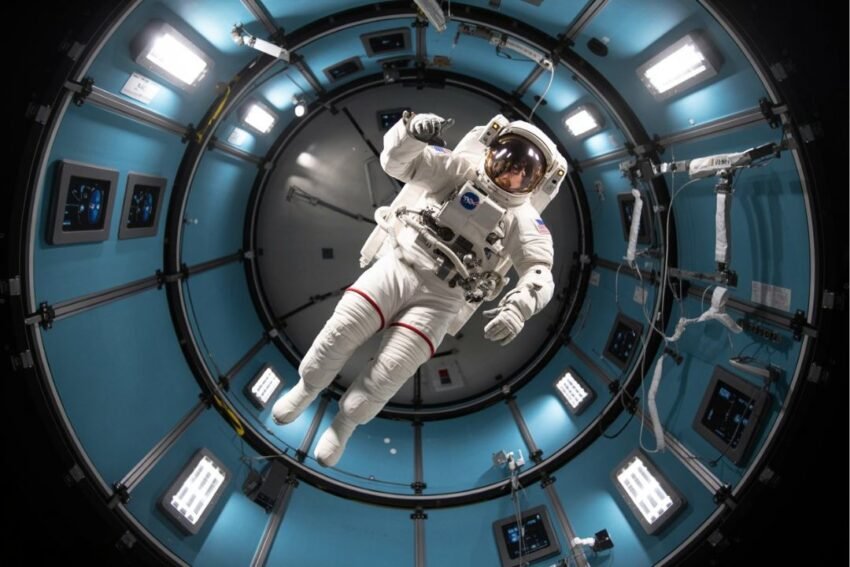
Astronaut Training: Introduction and Basic Principles
(Introduction)
Astronaut Training is a comprehensive and complex process that prepares individuals for space travel physically, mentally, and technically. The human body and mind face severe challenges in the space environment, such as zero-gravity, radiation, life in confined spaces, and being away from Earth for extended periods of time.For this reason, Astronaut Training aims not only to increase physical fitness but also to develop mental toughness, technical skills, and teamwork abilities.
Astronaut Training is important not only for going into space, but also on Earth, this training is essential for science, technology, and human endurance. A successful Astronaut Training program enables the astronaut to make quick and accurate decisions in any unexpected situation, cooperate well with his colleagues, and ensure the success of the mission.
Basic Principles of Astronaut Training
Astronaut Training is based on several key principles that enable the complete preparation of an astronaut. These principles include physical fitness, mental toughness, technical skills, and teamwork.
The importance of physical Astronaut Training and health
Physical preparation is the most important component of Astronaut Training. Being in space is a severe challenge for the human body. In zero-gravity conditions, the stress on bones and muscles is reduced, which can weaken them. That is why Astronaut Training includes physical exercise, weight-bearing exercises, heart health checks, and a regular fitness program.
Astronaut Training includes general exercises as well as specialized exercises, such as:
- Cardiovascular Training: To improve heart health and stamina
- Strength Training: To strengthen bones and muscles
- Flexibility Exercises: To facilitate physical movement during the mission
Astronaut Training and stress management
Mental preparation is just as important in Astronaut Training as physical preparation. Space missions are often long and solitary, which can lead to stress, isolation, and decision-making. Astronaut Training focuses on psychological training, stress management, and emotional stability.
Astronaut Training includes:
- Stress Management Techniques: Stress reduction exercises
- Problem Solving under Pressure: Decision-making exercises under pressure
- Isolation Training: Training to live in a confined and isolated environment
Astronaut Training and space agencies
Astronaut training is overseen by various space agencies, such as NASA, ESA (European Space Agency), Roscosmos (Russia), JAXA (Japan), and space agencies in other countries. Each agency develops its own Astronaut Training program according to its own standards, but the basic principles are common to all: physical fitness, mental toughness, technical skills, and teamwork.
During Astronaut Training, astronauts receive a variety of training, such as:
- Technical Skills: Training in space mission equipment and systems
- Scientific Knowledge: Basic principles of space exploration
- Safety Protocols: Safety methods in emergency situations
Purpose of Astronaut Training
The main goal of Astronaut Training is to enable the astronaut to:
- Be able to work effectively in zero-gravity and other space conditions
- Be able to make quick and accurate decisions in any emergency or unexpected situation during the mission
- Maintain excellent cooperation and communication with your team
- Successfully complete the scientific, technical and practical objectives of the space mission
Astronaut Training is not limited to making an astronaut a technical expert, but it also makes them a complete human being who can face every challenge physically, mentally, and emotionally.
Phases of Astronaut Training
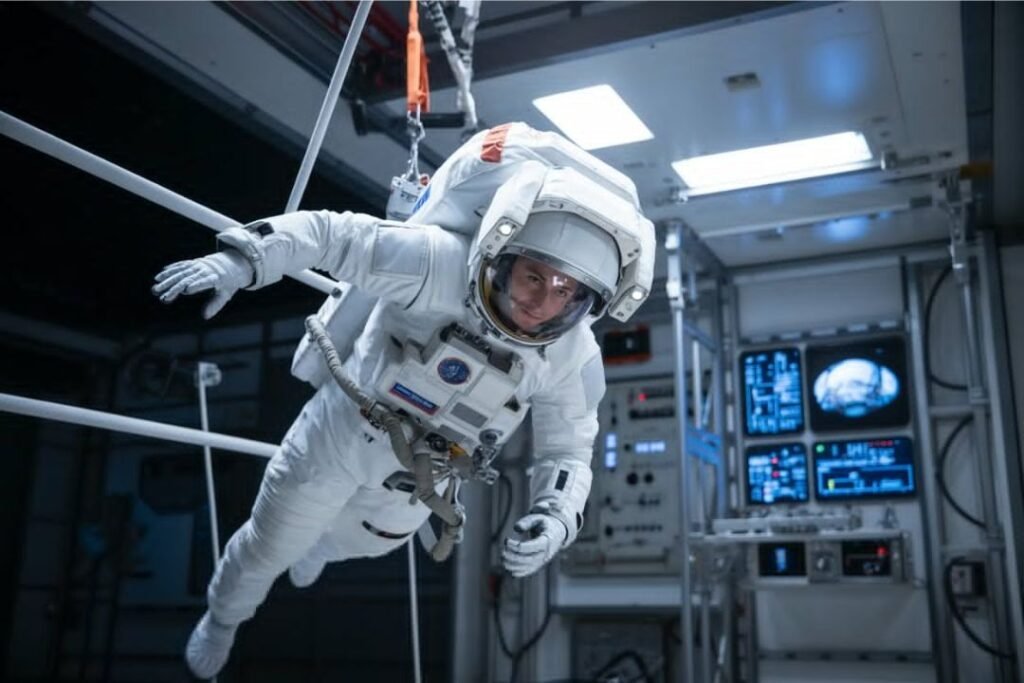
Astronaut Training is a phased and systematic process. Every astronaut has to go through specific stages before going into space so that he is fully prepared physically, mentally, and technically. These stages mainly consist of selection, initial training, basic and specialized training, and mission preparation.
Initial selection and screening
The first stage of astronaut training is selection. This stage is extremely rigorous and comprehensive, as the role of an astronaut involves great responsibility and expertise.
Space agencies consider various criteria during selection, such as:
- Physical health: Complete examination of the heart, lungs, bones and muscles
- Mental health: Stress, pressure and decision-making ability
- Academic qualifications: Major in science, engineering, medical or related field
- Practical experience: Aviation, naval or scientific experience
During this phase of Astronaut Training, candidates are put through various tests, such as:
- Medical Examinations: Physical and psychological tests
- Cognitive Tests: Mental ability and problem-solving skills
- Physical Fitness Tests: Running, weight lifting, and stamina tests
- Simulated Challenges: Mission-simulating exercises
This initial screening ensures that only candidates who can meet the rigorous requirements of Astronaut Training move forward.
Basic training courses
After selection, selected candidates undergo basic Astronaut Training courses. These courses are designed to prepare the astronaut physically, mentally, and technically.
Basic training includes:
- Zero-Gravity Training: Physical movement and adaptation in the space environment
- Survival Training: Techniques for surviving in emergency situations
- Teamwork Exercises: Teamwork skills
- Technical Familiarization: Basic knowledge of spacecraft equipment and systems
The goal of this phase of Astronaut Training is to teach astronauts not only basic skills but also to increase their endurance, stamina, and mental agility.
Technical and Astronaut Training
After basic training, astronauts are given technical and scientific training. This is the most important part of Astronaut Training, as working in space requires a great deal of skill and knowledge.
This phase includes:
- Spacecraft Systems Training: Training the astronaut to operate all of the spacecraft’s instruments and systems
- Scientific Experiments: Practicing scientific investigations conducted during the mission
- Robotics Training: Training in remote-controlled robotics and working on the space station
- Simulated Missions: Simulations of a full space mission and emergency drills
During this phase of astronaut training, astronauts not only acquire technical skills, but also develop the ability to solve practical problems and make quick decisions.
Physical and zero-gravity exercises
Physical training and zero-gravity simulation are extremely important during astronaut training. There is no weight in space, which causes the human body to react differently. Astronaut training includes these exercises:
- Neutral Buoyancy Lab (NBL): Experience zero-gravity through exercises in water
- Parabolic Flights: Observe weightlessness from specific aircraft paths
- Treadmill and Resistance Exercises: Exercises to keep bones and muscles strong
These exercises enable the astronaut to move easily during a mission in zero-gravity and use their equipment effectively.
Mental and psychological preparation
Mental training is just as important as physical training in astronaut training. Space missions are often long and solitary, and teamwork and psychological toughness are essential during these times.
Astronaut Training in this phase includes:
- Isolation Training: Training in patience and cooperation while living in a confined space
- Stress and Crisis Management: Practice decision-making under pressure and emergencies
- Cognitive Enhancement Exercises: Exercises to increase mental agility and problem-solving ability
This training not only makes the astronaut mentally stable but also trains them to cooperate better with the team.
Mission preparation in advance
The final stage of Astronaut Training prepares the astronaut for a specific mission. This includes:
- Mission-Specific Training: Mission-specific exercises
- Equipment Handling: Training on specific equipment and systems
- Emergency Drills: Preparing for every possible emergency
- Communication Exercises: Establishing optimal communication with the team and the ground
The aim of this phase of Astronaut Training is to give the astronaut complete confidence so that he can deal with any situation during the mission.
Astronaut Training at Global Space Agencies
Astronaut training is provided to varying standards and methods by different space agencies around the world. Each agency has its own specific programs, training institutions, and techniques, but the basic goal is the same for all: to fully prepare the astronaut physically, mentally, and technically.
Astronaut Training at NASA
NASA is the world’s most famous space agency and its Astronaut Training program is considered the most comprehensive. NASA’s training stages are as follows:
- Astronaut Candidate Program (ACP): This is the initial phase in which selected candidates are given basic training, such as understanding mission equipment, zero-gravity exercises, and survival training.
- Spacewalk Training: Astronauts are given specialized training to work in space, including full spacesuit and spacewalk exercises.
- International Space Station (ISS) Preparation: NASA’s Astronaut Training prepares astronauts to master all of the ISS’s instruments and experiments.
The biggest feature of NASA’s Astronaut Training Program is that this training is based on a combination of advanced technology, VR simulations, and practical exercises.
Astronaut Training at ESA (European Space Agency)
ESA is Europe’s main space agency and its Astronaut Training program is also highly organized. ESA’s stages:
- Basic Training: Physical fitness, zero-gravity simulation, and basic mission training.
- Advanced Training: Technical and scientific training for specific missions, such as preparing for Mars or Moon missions.
- Multinational Cooperation Training: ESA trains astronauts to work with other international agencies, to ensure optimal cooperation on global missions.
Astronaut training at ESA places particular emphasis on teamwork and problem-solving skills, as European missions involve astronauts from multiple countries.
Astronaut Training at JAXA (Japan)
JAXA is Japan’s space agency and Astronaut Training here places special emphasis on scientific research and robotics.
- Basic and Advanced Training: Physical, mental and technical training
- Scientific Experiment Training: Astronauts practice conducting scientific experiments on the ISS or other missions
- Robotics Training: JAXA Astronaut Training provides training in robots and remote operations
The aim of Astronaut Training at JAXA is to make astronauts not only practical experts but also to master advanced scientific research and robotics equipment.
Astronaut Training – Frequently Asked Questions (FAQs)
What is Astronaut Training?
Astronaut Training is the comprehensive training process through which an astronaut is physically, mentally, and technically capable of going into space. It includes physical fitness, mental toughness, technological skills, and teamwork training so that the astronaut can successfully perform any mission.
What are the stages of Astronaut Training?
The main stages of Astronaut Training are as follows:
- Initial Selection and Screening
- Basic Training Courses
- Technical and Scientific Training
- Physical and Zero-Gravity Exercises
- Mental and Psychological Preparation
- Pre-Mission Preparation
These stages prepare the astronaut for the mission with complete readiness.
Why is physical training important in Astronaut Training?
Living in zero-gravity and confined spaces in space can be stressful on the body. Astronaut training involves physical training to maintain bone, muscle, heart, and lung health and enable astronauts to perform optimally during missions.
How is mental preparation given in Astronaut Training?
Mental training is important in Astronaut Training because long space missions create isolation and stress. The training includes stress management, decision-making, isolation exercises, and teamwork exercises to keep astronauts mentally strong and alert.
What is the purpose of Astronaut Training?
The main goal of Astronaut Training is to enable the astronaut to be physically, mentally, and technically successful in any space mission, to effectively deal with emergencies, and to cooperate optimally with the team.
(Conclusion)
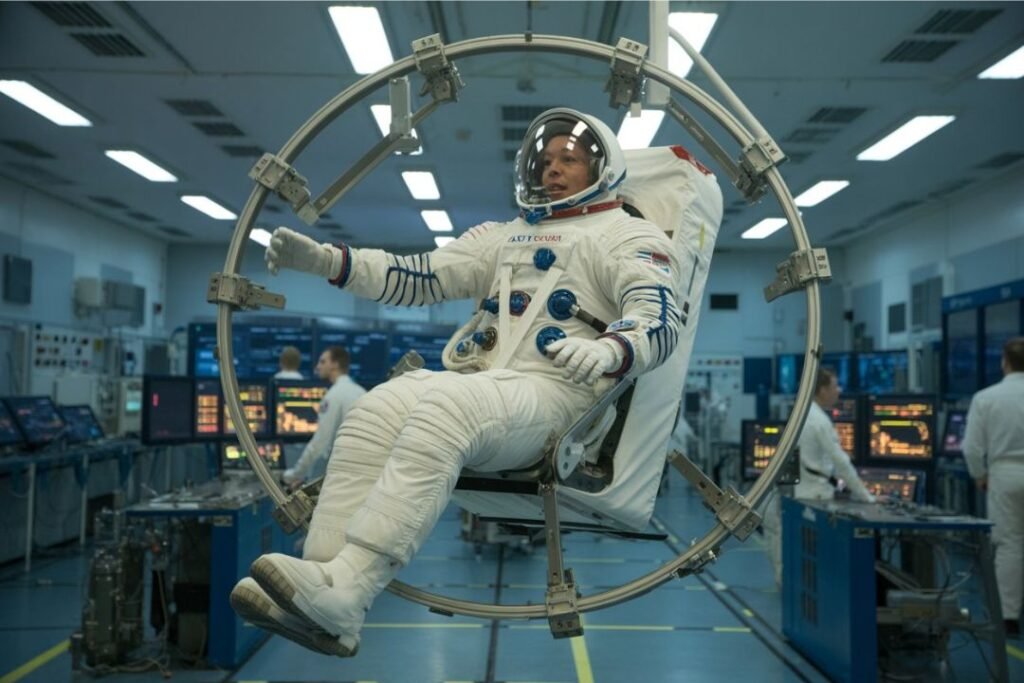
Astronaut Training prepares the astronaut physically, mentally, and technically. This training provides space skills, teamwork, and the ability to cope with emergencies. Successful Astronaut Training guarantees the success of the mission and provides the foundation for future space missions.